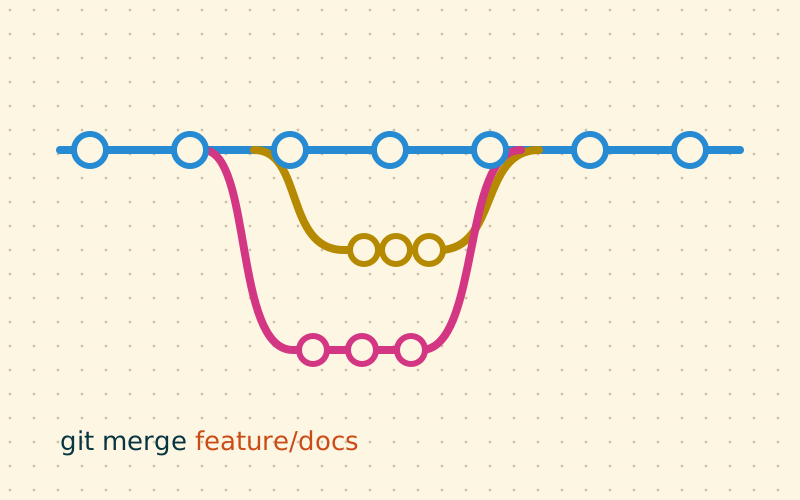
Contributing to an open source project for the first time often causes more anxiety than it should. The fear of making mistakes in public, of bothering the maintainers or of proposing something useless holds back many capable people. In reality there is a fairly predictable path that reduces friction, and almost everything depends on preparation and restraint rather than technical brilliance.
Choosing the right project
A first contribution works best on software you actually use. You already know how it behaves, you have run into its flaws and you can tell whether a change makes sense.
Before investing time, check a few signals:
- recent activity: commits and replies to issues in the last few weeks;
- accepted external pull requests: if proposals from outsiders stay open for months without a reply, the project is not a good starting point;
- tone of discussions: reading a few threads tells you a lot about how you will be received;
- beginner labels: many projects tag some issues as suitable for newcomers.
Reading the rules before writing code
Every mature project has its own rules, usually in three places:
CONTRIBUTING.md, which explains how to set up the environment, run the tests and format commits;- the code of conduct, which describes expected behaviour;
- the issue and pull request templates, which show what information to provide.
Many rejections of first-time contributions are not about code quality but about ignoring these rules: commits without the required format, tests not run, missing DCO sign-off, a style different from the project's.
Announce before you work
For any change that is not trivial, first write in the issue what you intend to do. A short message is enough:
I would like to take this on. I plan to change the date-parsing function to add support for the format with a time zone. Does that approach sound right?
This avoids two frustrating situations: working on something another person is already doing, or finding out after days that the maintainers prefer a different solution. For tiny fixes, such as a typo in the documentation, you can go ahead directly.
Preparing the change
The most common technical flow on code hosting platforms is this:
git clone <your-fork-url>
cd project
git remote add upstream <original-url>
git switch -c fix-date-parsing
# changes, tests, commit
git push origin fix-date-parsing
Then you open a pull request (or merge request) against the original repository. Some projects instead use patches sent by email or dedicated review systems: CONTRIBUTING.md will say so clearly.
Practical rules that greatly improve your chances:
- one change, one topic: do not mix a bug fix with reformatting the file;
- small is better: twenty lines get reviewed in a day, two thousand can sit for weeks;
- tests included: if you fix a bug, add a test that fails without your fix;
- clear description: what changes, why, how you verified it, which issue it closes.
Handling review
Review is the part that scares people most and also the part where you learn most. A few principles:
- comments are about the code, not about you; even many requests are normal;
- reply to every remark, even just to say you have applied it;
- if you disagree, explain your reasons calmly and accept the maintainers' final decision;
- update the pull request with new commits or by rewriting history, according to the project's preference.
Silence is not rejection. Maintainers are often few and overwhelmed; after one or two weeks a polite reminder is acceptable, but do not chase them every day.
Common mistakes to avoid
| Mistake | Consequence | Alternative |
|---|---|---|
| Huge pull request on first contact | Review postponed or rejected | Split into small steps |
| Unrequested style changes | Hard-to-read diff | Touch only what is needed |
| Ignoring failing tests | Automatic block | Run tests locally first |
| Opening a PR without a linked issue | Missing context | Link or create the issue |
| Complaining about delays | Worse atmosphere | One polite reminder |
After the first contribution
Once your first change is accepted, the second is much easier: you know the project, its tools and its people. Many of today's maintainers started with a documentation fix. Sticking around, answering other people's issues and reviewing others' pull requests is the most natural way to earn trust and responsibility.
In short
- Pick a project you use that genuinely accepts outside contributions.
- Read
CONTRIBUTING.md, the code of conduct and the templates before writing code. - Announce non-trivial changes and keep them small, with tests and a clear description.
- Treat review as a collaboration and be patient with maintainers' timelines.